

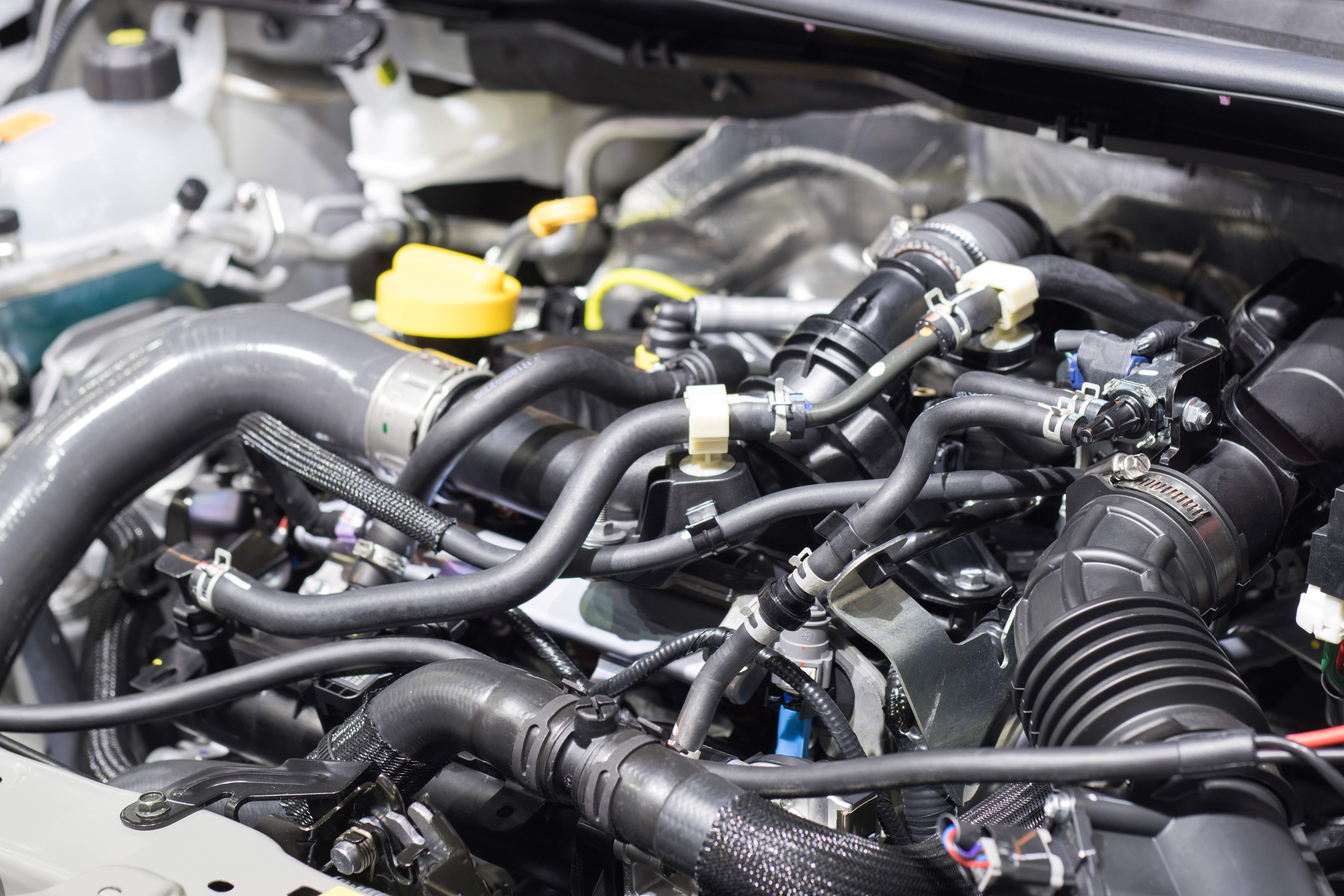
Why Radiator Hoses Matter in Arizona
Arizona heat is tough on vehicles—and even tougher on rubber components.
Radiator hoses are constantly exposed to:
- High engine temperatures
- Pressure from circulating coolant
- Heat cycling from hot to cold, over and over
Over time, that wear adds up. A weakened hose can fail without much warning, leading to overheating or even engine damage.
Signs Your Radiator Hoses May Need Replacement
Radiator hose issues don’t always show up right away, but here are some common warning signs:
- Coolant leaks under your vehicle
- A sweet smell coming from the engine bay
- Visible cracks, bulging, or soft spots in hoses
- Engine running hotter than normal
- Low coolant levels without an obvious cause
If you’re noticing any of these, it’s a good idea to have your cooling system inspected.
What Happens During a Radiator Hose Service
At CarLife Auto Repair, we don’t just replace parts—we look at the full picture.
Our radiator hose service typically includes:
- Inspection of upper and lower radiator hoses
- Checking hose clamps and connections
- Evaluating overall cooling system condition
- Replacing worn or damaged hoses with quality parts
- Refilling and properly bleeding the cooling system
This helps ensure everything is working together the way it should.
Preventing Breakdowns Before They Happen
Radiator hoses are one of those components that are easy to overlook… until they fail.
Proactive replacement during routine maintenance or cooling system service can help prevent:
- Unexpected breakdowns
- Overheating in traffic or on long drives
- More serious engine damage
It’s a small investment that can save you from a much bigger repair.
Radiator Hose Replacement in Scottsdale & Gilbert
Whether you’re commuting across town or heading out on an Arizona road trip, your cooling system needs to be reliable.
At CarLife Auto Repair, our team takes pride in helping drivers in Scottsdale and Gilbert stay ahead of problems—not just react to them.
If you have questions about your radiator hoses or cooling system, we’re here to help.
Radiator Hose Replacement FAQs
How often should radiator hoses be replaced?
Radiator hoses don’t have a fixed replacement interval, but most should be inspected regularly and often replaced between 4–6 years depending on driving conditions. In Arizona, heat can shorten that lifespan.
Can I drive with a bad radiator hose?
It’s not recommended. A failing radiator hose can burst without warning, causing rapid coolant loss and engine overheating. This can lead to serious engine damage if not addressed quickly.
What causes radiator hoses to fail?
Radiator hoses wear out over time due to heat, pressure, and constant expansion and contraction. Arizona’s extreme temperatures can accelerate cracking, softening, and weakening of the rubber.
What are the signs of a radiator hose leak?
Common signs include visible coolant leaks, a sweet smell from the engine bay, low coolant levels, overheating, or hoses that appear cracked, swollen, or soft.
Is radiator hose replacement expensive?
Compared to other engine repairs, radiator hose replacement is relatively affordable. Catching the issue early can help prevent much more expensive repairs like overheating damage.
Do you replace both radiator hoses at the same time?
In many cases, yes. If one hose is worn, the other is often not far behind. Replacing both can help prevent future issues and save on labor down the road.
What happens if a radiator hose bursts while driving?
If a hose bursts, your engine can lose coolant quickly and overheat within minutes. If this happens, it’s important to pull over safely and shut off the engine to avoid damage.
📍 Scottsdale: 8830 E. Talking Stick Way
📞 480-270-5930
📍 Gilbert
📞 480-800-3171
How’s Your CarLife?


