

Why European Vehicles Often Need Rotors with Every Brake Job

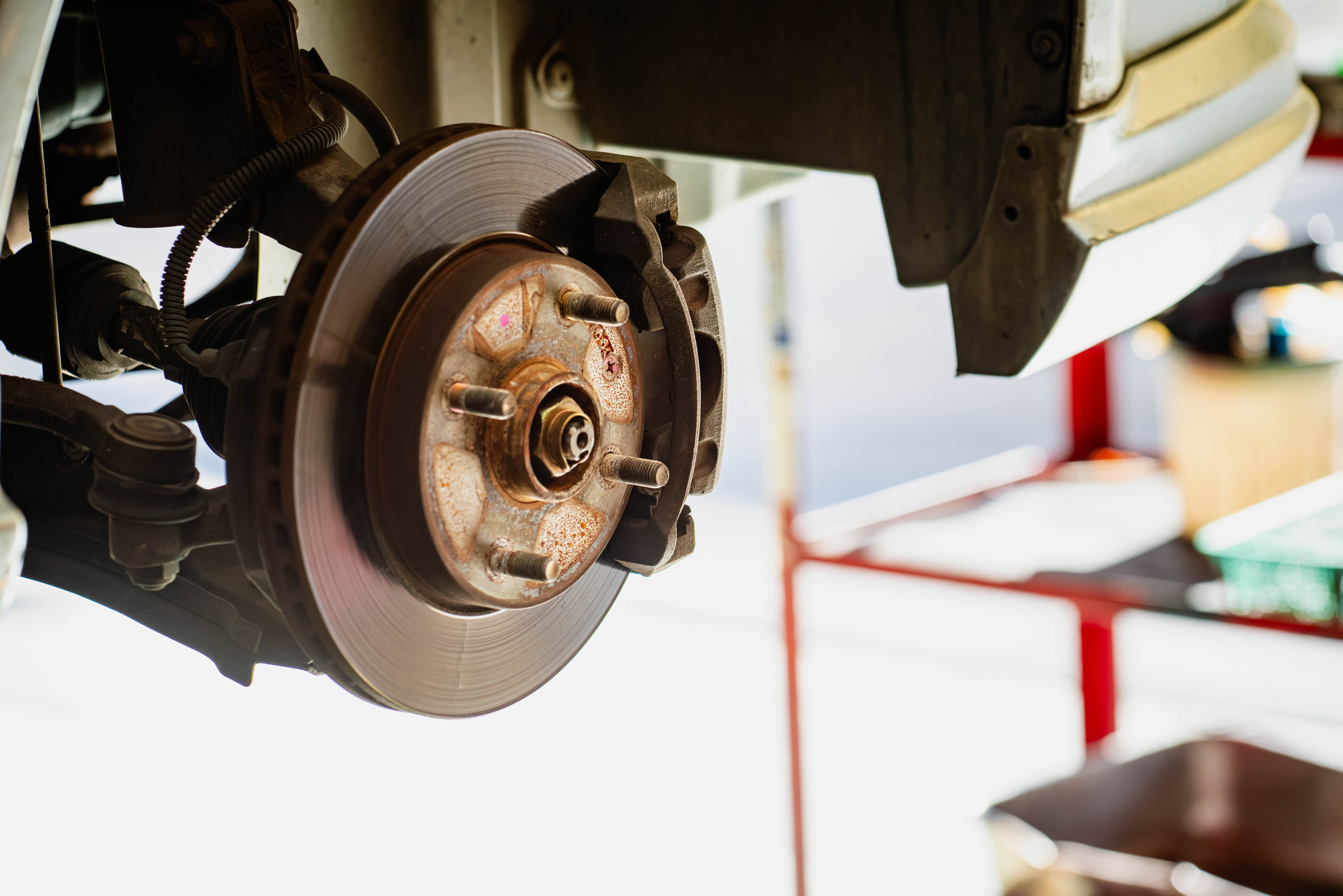
If you've owned a BMW, Mercedes-Benz, Audi, Volkswagen, Porsche, or MINI, you may have experienced a little sticker shock the first time your vehicle needed brakes.
Unlike many domestic and Asian vehicles, European vehicles often require both brake pads and brake rotors to be replaced together. Add in brake wear sensors and a recommended brake fluid flush, and the repair can look much different than what many drivers expect.
Here's why.
European Brakes Are Designed for Performance
European manufacturers engineer their braking systems with stopping performance as the highest priority.
Many European brake rotors are made from softer materials that provide excellent braking feel, improved heat dissipation, and consistent stopping power. The tradeoff is that the rotors wear more quickly alongside the brake pads.
By the time the brake pads have reached the end of their service life, the rotors have often worn below the manufacturer's minimum thickness specification.
Rather than resurfacing the rotors, replacement is typically the safest and manufacturer-recommended repair. Learn more about our European brake service.
Why Rotors Usually Aren't Machined
Years ago, machining brake rotors was common practice.
Today's European vehicles use thinner, performance-oriented rotors that leave very little extra metal available for resurfacing. Even if the rotor appears smooth, machining may reduce it below the minimum safe thickness.
Installing new rotors helps maintain proper braking performance, reduces the risk of vibration, and ensures the new brake pads wear evenly.
Brake Wear Sensors Are Usually One-Time Use
Many European vehicles also include electronic brake wear sensors.
These sensors are designed to alert you when your brake pads have reached their replacement interval. Once activated, the sensor cannot typically be reused.
Replacing the sensor during a brake service ensures the monitoring system continues working properly and prevents false brake warnings after the repair.
Don't Skip the Brake Fluid Flush
Many drivers think bleeding the brakes is enough after brake service.
European manufacturers often recommend performing a complete brake fluid flush instead.
Brake fluid naturally absorbs moisture over time. Even small amounts of water can lower the fluid's boiling point, reduce braking performance, and contribute to internal corrosion within expensive ABS and stability control components.
A complete brake fluid flush replaces the old fluid throughout the entire braking system, helping maintain the responsive braking European vehicles are known for.
Quality Parts Matter
European braking systems are engineered to work as a complete system.
Using high-quality brake pads, rotors, sensors, and the correct brake fluid helps maintain the performance, quiet operation, and stopping power your vehicle was designed to deliver.
Choosing the proper components today can also help prevent premature wear and costly repairs later.
Trust CarLife with Your European Brake Service
Servicing the brakes on a European vehicle requires the right parts, the proper equipment, and technicians who understand the manufacturer's specifications.
Whether you drive a BMW, Mercedes-Benz, Audi, Volkswagen, Porsche, or another European vehicle, CarLife can help keep your braking system performing safely and confidently on Arizona roads.
Ready to request your next appointment with CarLife?
Please select a CarLife location below to fill out your appointment request form.
Visit our two locations in the greater Phoenix area.
Proudly servicing in Scottsdale & Gilbert.


Scottsdale
8830 E Talking Stick Way, Scottsdale, AZ, United States
Call us: (480)-270-5930
or Text Us: (480)-725-7788
Mon - Fri: 7:30 AM - 5:30 PM | Saturday - Sunday: Closed

Gilbert
4461 E Baseline Rd, Gilbert, 85234, AZ, United States
Call us: (480)-800-3171
or Text Us: (480)-725-4590
Mon - Fri: 7:30 AM - 5:30 PM | Saturday - Sunday: Closed